


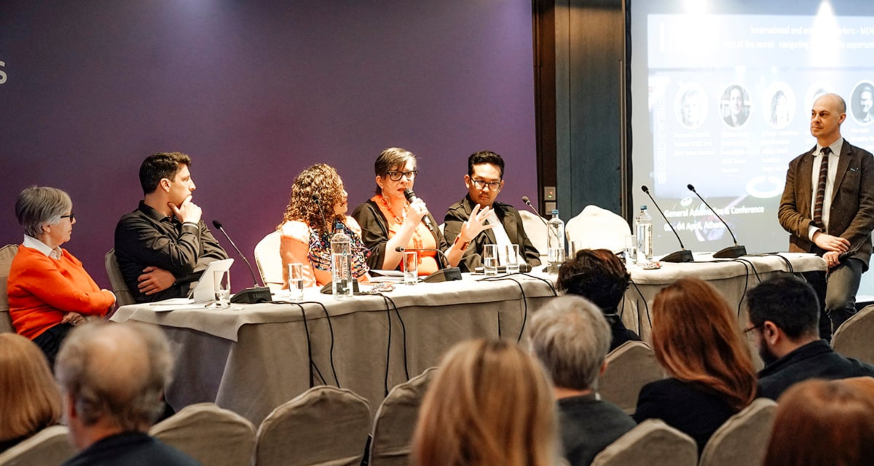
Massive Music Takes the Global Stage at IMPF’s 2025 Conference in Greece
Music Licensing: What It Is, How It Works, and What Determines the Cost
Summary
Using a song in a film, advertisement, series, campaign, or digital content is more than finding the right track. You also need the right permission to use it. Understanding music licensing helps you plan the process, rights, and budget before the music goes live.
What Is Music Licensing?
Music licensing is obtaining permission from a rights holder or authorized representative to use specified rights in a musical work, sound recording, or both for an agreed purpose.
A license grants permission within its scope; it does not itself transfer ownership. An assignment of rights is a different transaction.
What Rights Do You Need to License?
The answer depends on how you plan to use the music.
For audiovisual projects such as films, series, advertisements, games, or other video content, there can be two important layers of rights:
1. The Musical Work
This is the underlying composition, with or without lyrics, distinct from any recording of it.
Using the musical work with visual media requires synchronization permission, commonly known as a sync license.
2. The Sound Recording
This is the particular recorded version of the song.
When using an existing recording, check the required permission for that recording as well as the composition. A new recording avoids using the existing master but does not remove composition-rights requirements.
This is why licensing a song for a video can involve more than one rights holder.
For example, the songwriter or music publisher may control rights in the musical work, while a record label, artist, or independent producer may control the rights in the sound recording.
Synchronization, adaptation and reproduction are different concepts. Pairing music with visuals is synchronization; changing lyrics or an arrangement may involve adaptation; copying may involve reproduction. Additional permissions depend on the intended use and applicable law.
How Does Music Licensing Work?
A licensing process usually starts with understanding the intended use.
Before asking for a quote or clearance, prepare the basic information about your project.
1. Define the Use
For example:
- Film or series
- TV commercial
- Digital advertising
- Social media campaign
- Branded content
- YouTube or other online video
- Game or application
- Event or other public use
The purpose of the use helps determine which rights and permissions may be required.
2. Define the Media
Specify the media and platforms, including paid advertising or organic use, versions and cutdowns, music duration, edits, and any lyric or arrangement changes.
For example:
- Cinema
- Television
- YouTube
- TikTok
- Streaming platforms
- Websites
- Digital advertising
- Multiple media
The same song may require a different licensing scope depending on where it will be used.
3. Define the Territory
Where will the project be available?
It could be:
- Indonesia
- A specific group of countries
- Asia
- Worldwide
Territory is one of the terms that can affect the scope and cost of a license.
4. Define the Term
How long will the music be used?
Set a start date and an end date or clearly defined duration. Examples include:
- A specific period, such as one year
- Several years
- A longer term, subject to the applicable legal protection period
A single-use permission limits the specified use; it does not by itself define the license period. In Indonesia, a copyright license cannot exceed the duration of the rights concerned. Wording such as perpetual needs careful definition.
5. Check the Rights
Once the use is clear, the relevant rights holders need to be identified.
For an audiovisual project using an existing recording, this can mean checking both:
Musical work → songwriter / publisher
and
Sound recording → artist / label / master owner
Secure permission covering all relevant rights and shares, from the rights holders or representatives authorized to grant it. One publisher may not control every share or the master.
This is where clearance becomes important.
A song being available in a catalogue does not automatically mean that every possible use has already been cleared.
6. Agree on the License Terms
Once the rights and intended use are understood, the parties can agree on the licensing terms.
These may include:
- Rights being licensed
- Media
- Territory
- Term
- Type of use
- Exclusivity
- License fee
- Other conditions of use
Exclusive licenses and non-exclusive licenses have different implications. An exclusive license gives one licensee exclusive rights within the agreed scope, while a non-exclusive license can allow the same rights to be licensed to others.
7. Clearance and Documentation
Use the music only when the required permissions are effective and their conditions have been met. A quote, shortlist or payment alone is not sufficient clearance.
The written license should identify the rights, works or recordings, authorized parties, permitted uses, territory, term, fees and conditions. Indonesian law defines a license as written permission.
For the song user, this creates clarity about what the project is permitted to do with the music.
How Much Does Music Licensing Cost?
There is no single price for licensing a song.
A license fee pays for the agreed scope of permission. It may be a one-off amount or use another agreed payment structure; it does not transfer ownership by itself.
Several factors can affect the licensing fee.
1. What Is the Music Being Used For?
A song used in a major advertising campaign may have a different licensing scope from the same song used in a short-form digital video.
2. Which Rights Are Required?
Are you licensing:
- The musical work?
- The existing sound recording?
- Both?
Different rights may involve different rights holders and licensing arrangements.
3. Where Will It Be Used?
A local campaign and a worldwide campaign do not necessarily have the same licensing scope.
4. How Long Will It Be Used?
A one-year term and a multi-year term can carry different fees. State the permitted uses separately from the duration, which remains subject to the underlying rights.
5. Is the License Exclusive?
Exclusivity can change the commercial value and conditions of a license.
If a license is exclusive within a particular scope, the rights holder may not be able to grant the same rights to another user during that period and within that territory.
6. How Is the License Structured?
Fees may be negotiated for a specific use or under an agreement covering a defined set of uses. A catalogue or blanket arrangement still has limits; it does not authorize every song, recording or use.
What Should You Prepare Before Asking for a Quote?
A clear brief can make the licensing conversation much more efficient.
Before contacting a music publisher, label, music supervisor, or other rights representative, prepare:
Use case
What is the music being used for?
Media and versions
Identify platforms, paid or organic use, versions and cutdowns, music duration and proposed edits.
Territory
Where will the content be available?
Term
How long will the music be used?
Deadline
When do you need the music cleared?
Budget range
What budget has been allocated for music licensing?
Song and recording reference
Identify the composition and, if applicable, the particular recording. If you have no selected track, describe the creative direction.
Licensing Is More Than Paying for a Song
In practice, licensing is about matching a specific use with the rights and permissions required for that use.
Keep the agreed scope with your production records and check it again when the project changes.
A song being available to listen to does not automatically mean it is available for your intended use.
Ready to License a Song?
Explore Song User Overview for information, or use Contact Massive Music to send a licensing enquiry with your project brief. The team must confirm the relevant catalogue, authority and available support.